DIY Air Conditioner Fixes or Professional Repairs: What Should Homeowners Choose?
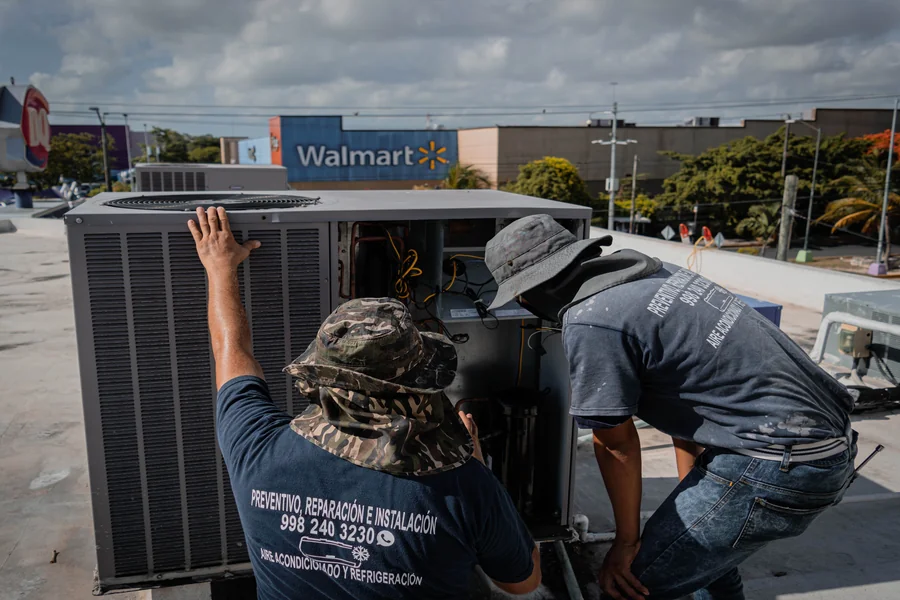
An air conditioner rarely picks a convenient time to break down. It might stop cooling during a hot afternoon, start making an irritating noise overnight, or suddenly leak water onto the floor. When this happens, many homeowners look for quick fixes before considering a service call. A few checks around the house may solve the problem, but attempting to repair a faulty unit without knowing how it works is a different matter.
DIY maintenance can help keep an air conditioner in good condition. However, problems involving its electrical system or internal components need a more careful approach. Knowing where to draw the line between household maintenance and professional air conditioning repair helps prevent unnecessary expenses and damage.
Start With the Simple Checks
Before assuming that an air conditioner needs a repair, check whether something basic is affecting its operation. A unit that suddenly stops cooling might have an incorrect thermostat setting or a blocked air filter.
Filters deserve regular attention because they collect dust during normal operation. When too much dirt builds up, airflow becomes restricted. The air conditioner then has to work harder to move cool air around the room. Depending on the model, the filter may be washable or require replacement.
The remote control is another possible source of trouble. Weak batteries or incorrect operating modes may prevent the unit from responding as expected. Checking the power supply and circuit breaker is also worthwhile, provided there are no signs of electrical damage.
These small checks do not require specialist knowledge. They are part of ordinary household upkeep and may resolve problems caused by incorrect settings or neglected cleaning.
Why Some Repairs Are Better Left Alone
An air conditioner contains several components that work together to control temperature and airflow. When one part fails, the symptoms may resemble those of another problem. Without proper testing, identifying the faulty component becomes difficult.
Consider an air conditioner that runs continuously but never reaches the selected temperature. The problem might involve refrigerant loss, a compressor fault, or another issue within the cooling system. Cleaning the filter will not correct these faults.
Electrical repairs also carry risks. Capacitors store electrical energy, and damaged wiring may cause electric shock or fire. Even after switching off the unit, certain components may retain an electrical charge.
Refrigerant handling is another job that requires specialised training. A suspected leak needs proper inspection rather than simply adding more refrigerant. The source must be identified and repaired before the system is recharged.
Trying to handle these problems without the right experience may turn a repairable fault into a more expensive one.
What Happens During a Professional Inspection?
When a technician visits a property, the first step is usually to ask about the symptoms. Information about when the problem started, how often it occurs, and whether the unit makes unusual noises can help narrow down the possible causes.
The technician then examines the equipment. Depending on the reported issue, this may include checking the electrical connections, inspecting the drainage system, testing airflow, or examining the cooling components.
Diagnostic equipment provides information that is difficult to obtain through visual inspection alone. For example, measuring electrical values helps determine whether a component is receiving the correct power. Temperature readings may also reveal whether the system is cooling as expected.
Once the fault has been identified, the technician can explain the repair options. Homeowners should ask what caused the problem and whether any replacement parts are needed. A clear estimate also helps them understand the expected cost before agreeing to the work.
The Hidden Costs of Getting a Repair Wrong
DIY repairs often appear cheaper because homeowners do not have to pay for labour. That may be true when the task involves cleaning a filter or replacing remote control batteries. The situation changes when someone starts purchasing internal components without knowing which part has failed.
A replacement fan motor, for example, will not help if the actual problem is a faulty electrical connection. Buying the wrong component wastes money, and installing it incorrectly may cause further damage.
There is also the question of warranties. Some manufacturers have specific requirements for servicing and repairs. Unauthorised work may affect warranty coverage, depending on the terms.
Professional repairs involve service fees, but they also provide access to technical knowledge and appropriate testing equipment. Before choosing a provider, homeowners should ask about labour charges and whether the repair comes with a workmanship guarantee.
When Should You Stop Troubleshooting?
There is a difference between an air conditioner that needs cleaning and one that shows signs of a serious fault. Knowing when to stop checking the unit is important.
A burning smell should never be ignored. Turn off the equipment and arrange a professional inspection. The same applies to repeated circuit breaker trips, exposed wiring, or unusual electrical sounds.
Water leaking from an indoor unit also deserves attention. A blocked condensate drain may be responsible, but damaged components or installation issues could produce similar symptoms. Continuing to operate the unit without investigating the leak may lead to water damage.
If the air conditioner repeatedly switches itself off or produces warm air despite correct settings, further troubleshooting is best left to a technician.
Keep Your Air Conditioner in Better Condition
Regular care helps reduce the likelihood of unexpected breakdowns. Cleaning or replacing filters according to the manufacturer’s instructions is a good starting point. Homeowners should also keep the area around outdoor units clear so that air can circulate properly.
Professional servicing provides a closer look at parts that are not easily accessible during routine cleaning. A technician may spot worn components or drainage concerns before they cause a complete shutdown.
The frequency of servicing depends on how often the system operates, its environment, and the manufacturer’s recommendations. Units used daily in dusty surroundings may need more frequent attention than those operating occasionally.
Choose the Repair Method That Makes Sense
Not every air conditioning problem calls for a service appointment. Homeowners can handle basic maintenance and check simple settings without taking apart the equipment. These small efforts help keep the system clean and may resolve minor operating issues.
However, internal faults require a different level of expertise. Professional air conditioning repair gives homeowners access to accurate diagnosis and proper repair methods, reducing the risks associated with guesswork.
The important thing is to recognise when a problem goes beyond routine maintenance. A quick filter check is reasonable; experimenting with electrical connections or refrigerant lines is not. Knowing that difference helps protect the equipment, the property, and everyone using the space.