Common Paperwork Mistakes That Cause Costly Reweighs and Pickup Delays
Warehouse crews often scramble during the final rush before a pickup truck backs up to the dock. Under pressure, a tired worker might guess the weight of a pallet instead of rolling it onto a floor scale. That rough estimate comes back to bite the company the moment the rig crosses a highway weigh station. Trucking companies watch axle limits closely because heavy freight burns extra fuel and ruins expensive brakes. When a bill of lading lists a weight lower than reality, the carrier pulls the freight aside for a formal reweigh. That single shortcut slaps steep penalty fees onto the final invoice and pushes deliveries behind schedule. Taking two minutes to weigh every skid keeps unexpected charges off the books.
Leaving Out Critical Dimensions on the Bill of Lading
A wrapped pallet might look compact sitting in the corner of a bright warehouse, yet every inch counts inside a trailer. Shipping clerks frequently write down the length and width of a crate while completely forgetting the height, and other times they ignore the thick wooden pallet sitting underneath. Dispatchers map out trailer space like a tight puzzle to fit multiple customer orders onto one truck.
When a driver shows up and spots a crate six inches taller than the paperwork claims, the whole loading plan unravels. The driver might lack the roof clearance needed to slide the freight past the rear doors. With no room left, the driver has to refuse the pickup and pull away empty. The shipper then gets stuck paying a truck order not used fee for wasting the driver’s afternoon. Measuring from the floor to the top of the wrap avoids this expensive headache.
Choosing the Wrong Freight Class Code
Every commercial item moving across American highways falls into an official category known as a freight class. This number tells the carrier how much trailer space the cargo takes up and how easily it might break in transit. New clerks often copy a random code from an old invoice just to clear their desk before lunch.
Terminal inspectors run incoming freight through laser scanners and floor scales to verify the exact density of each pallet. If a shipper claims they are sending dense steel parts when the box holds lightweight plastic, the carrier will reclassify the load.
Reclassification always triggers an administrative fee on top of a much higher shipping rate. Looking up the true density before booking prevents these nasty billing surprises.
Forgetting Special Handling and Accessorial Details
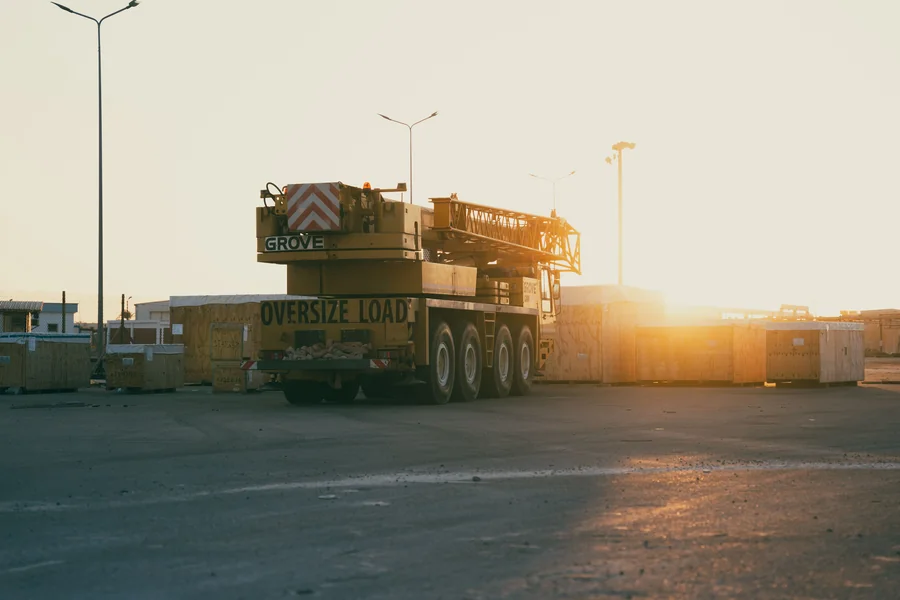
Moving massive industrial gear takes even more prep work before the engine ever starts. Drivers hauling extra-wide machinery must carry official road clearances to legally cross state lines, and they can seek assistance from providers like Highway Permits to secure the proper documentation. If the paperwork misses vital route details, highway patrol officers can park the rig on the shoulder immediately. Typing clear notes about the pickup site ensures the right equipment rolls up the first time.
Submitting Illegible or Incomplete Contact Information
Sloppy handwriting and faded printer ink still cause massive headaches across modern freight networks. When a phone number misses a single digit, the driver cannot call ahead to confirm dock hours. Busy dispatchers rarely have time to play detective while juggling dozens of active routes. If a driver arrives at a gate and nobody expects the pickup, the waiting clock starts ticking fast.
Carriers only offer a brief grace period before charging steep detention fees by the hour. Missing signatures on customs forms will also freeze a shipment right at the loading dock. Reviewing every contact line takes seconds and keeps freight rolling out the door.
Building a Better Paperwork Habit
Smooth freight shipping comes down to slowing down at the desk so trucks can move fast on the highway. When warehouse teams verify weights and measure every skid, costly billing disputes disappear. Catching a simple typo before the driver arrives protects both the shipping budget and customer trust. A little extra care at the loading dock keeps American supply chains humming along without a hitch.