Hybridge Dental Implants: A Closer Look at Full-Mouth Tooth Replacement
Living with missing or severely damaged teeth often means making small adjustments throughout the day. Someone might avoid certain foods because chewing feels uncomfortable. Another person may hesitate to smile in photographs or speak freely because they worry about loose dentures. These concerns can affect daily comfort and confidence, especially when several teeth need replacement.
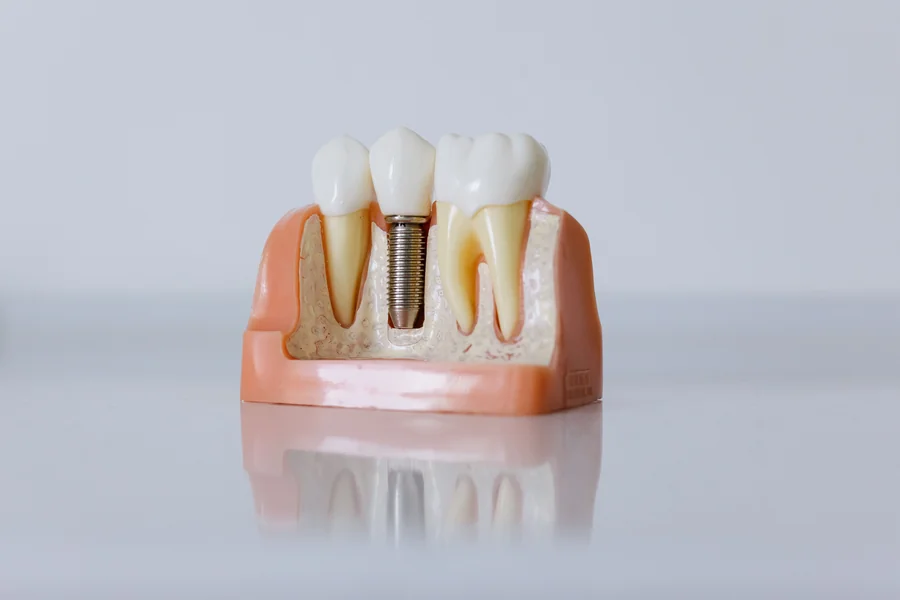
For people facing extensive tooth loss, Hybridge dental implants offer a fixed alternative to traditional dentures. The system uses dental implants to hold a full set of replacement teeth securely in place. Instead of relying on the gums for support, the restoration connects to implants positioned within the jawbone.
Before choosing this treatment, patients should understand how it works, what the procedure involves, and what kind of care their replacement teeth will need over time.
A Different Approach to Replacing Missing Teeth
Replacing one missing tooth is different from restoring an entire upper or lower arch. When several teeth are gone, patients need a solution that addresses chewing ability and the stability of the remaining oral structures.
Hybridge is designed for full-arch restoration. It uses strategically placed dental implants to support a connected set of replacement teeth. This means patients do not need a separate implant for every missing tooth.
The restoration is secured to the implants, creating a fixed structure that stays in the mouth. Unlike removable dentures, patients do not take it out every evening. This arrangement also reduces the movement that sometimes occurs with conventional dentures.
For someone who has struggled with repeated denture adjustments, the difference may be particularly appealing. A fixed restoration provides a more secure fit and removes the need for denture adhesives.
What Happens Before Implant Placement?
Dental implant treatment starts with an assessment rather than surgery. The dentist needs to understand the condition of the patient’s mouth before deciding how many implants are necessary and where they should go.
An examination usually includes checking the gums, remaining teeth, jawbone, and overall oral health. Dental imaging provides a closer look at the bone structure and helps identify suitable implant positions. If the patient has gum disease or an infection, those concerns may need attention before proceeding.
Some patients also require tooth extractions. This is common when the remaining teeth are badly damaged or cannot be restored. The dentist will explain whether extractions and implant placement should happen during the same appointment or at separate stages.
Bone quality is another important consideration. Dental implants need adequate support to remain stable. Patients with bone loss may require additional treatment, such as bone grafting, before implant placement.
These early assessments help prevent complications and give patients a clearer idea of what their treatment will involve.
How Hybridge Implants Support Everyday Activities
One of the biggest concerns for people with extensive tooth loss is eating. Missing teeth make it harder to break down food, while removable dentures may shift when biting into something firm.
Because Hybridge restorations attach to dental implants, they provide a stable chewing surface. Patients may find it easier to eat meals without worrying about their teeth moving out of position. A gradual return to normal food choices is usually recommended, following the dentist’s instructions.
Speaking is another part of daily life that may improve with a secure dental restoration. Dentures that move around can interfere with pronunciation, particularly when patients are still getting used to them. Fixed replacement teeth offer a more consistent fit, although an adjustment period is normal.
The treatment also addresses the visible effects of tooth loss. Custom-made replacement teeth are designed to suit the patient’s mouth and facial appearance. This helps restore the shape of the smile while providing support for the lips and surrounding facial tissues.
Understanding the Healing Process
Implant placement involves minor oral surgery, so patients should expect some recovery time. Swelling, tenderness, and mild discomfort are common after the procedure. The dental team may recommend medication and specific cleaning instructions to help manage the healing period.
Once the implants are placed, they need time to integrate with the jawbone. This biological process, known as osseointegration, creates the connection that allows the implants to support the final restoration.
Some patients receive temporary teeth during this stage. These provide an appearance and basic function while the implants heal. The permanent restoration is attached once the dentist confirms that the implants are sufficiently stable.
Recovery does not follow the same schedule for everyone. Bone condition, general oral health, and additional procedures may affect how long treatment takes. Patients should avoid rushing the process, as proper healing is essential for long-term implant stability.
What Makes Implant Maintenance Important?
Having fixed replacement teeth does not mean dental visits are no longer necessary. The restoration itself does not develop cavities, but the gums and bone surrounding the implants remain vulnerable to infection.
Poor cleaning habits may allow bacteria to collect around the implant sites. This can lead to peri-implant disease, which causes inflammation and may eventually affect the supporting bone.
Patients need to brush regularly and clean carefully around the restoration. Special flossing tools or interdental brushes may help reach areas that ordinary toothbrushes cannot easily access.
Professional dental cleanings are equally important. During these visits, the dentist checks the condition of the implants and surrounding tissues. Any early signs of inflammation or damage can then be addressed before they become more serious.
Patients should also mention habits such as nighttime teeth grinding. Excessive pressure may place unnecessary stress on the restoration, and a protective night guard may be recommended.
Is This Treatment Suitable for Everyone?
Although Hybridge offers a practical option for extensive tooth replacement, not every patient is automatically a candidate. The dentist must consider bone support, gum health, medical history, and the patient’s ability to maintain good oral hygiene.
People with uncontrolled gum disease may need treatment before implant surgery. Certain health conditions and medications may also affect healing. Smoking is another concern because it increases the risk of implant complications.
Cost deserves attention as well. Full-arch implant treatment involves surgery, custom restorations, and follow-up care. Patients should request a detailed estimate and ask what the quoted price includes. Understanding payment arrangements and possible additional expenses helps prevent unexpected costs.
When comparing dental providers, patients researching options through businesses such as Restore Dental Wellness should look beyond the advertised treatment price. The dentist’s experience with full-arch restorations and the support available after surgery are important factors to consider.
Making an Informed Decision About Full-Arch Restoration
Living without most of your natural teeth does not mean accepting uncomfortable dentures or avoiding the foods you enjoy. Hybridge dental implants provide another way to replace an entire arch with a fixed restoration supported by dental implants.
The treatment requires careful planning and a commitment to ongoing dental care. Patients should understand the surgical process, allow enough time for healing, and follow the maintenance instructions provided by their dentist.
A proper consultation helps establish whether this approach suits the patient’s needs. With a clear treatment plan and realistic expectations, patients can make a more informed decision about replacing missing teeth and improving everyday oral function.