
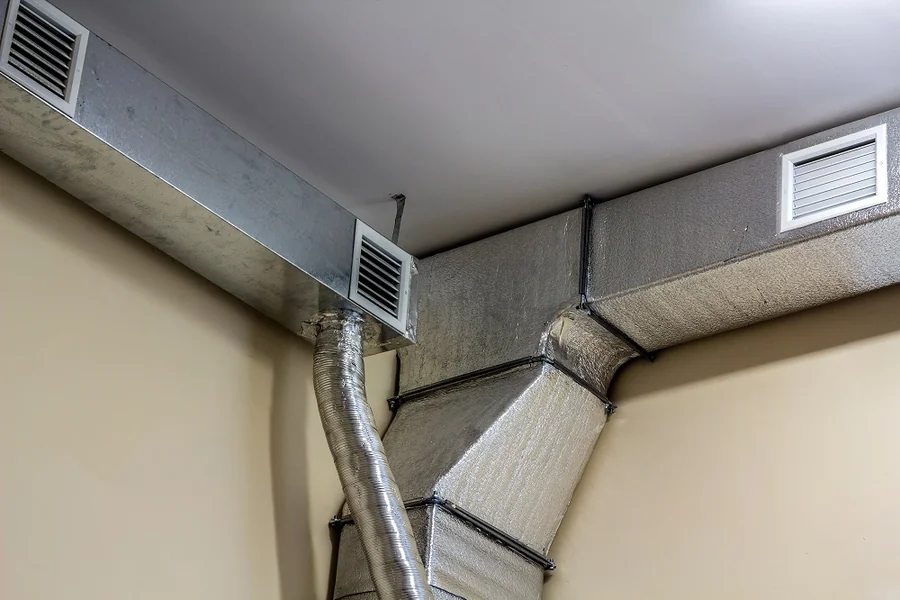
Maintaining a comfortable indoor temperature involves more than adjusting the thermostat. Your home’s heating and cooling systems work alongside insulation and airflow to create a pleasant living environment. When one room feels too warm while another stays chilly, everyday comfort becomes harder to maintain. These temperature differences may also force your HVAC equipment to work harder, potentially increasing energy costs. Fortunately, practical home improvements can help maintain more consistent temperatures throughout the year. Understanding the factors that affect indoor comfort provides a good starting point.
Address Attic Air Leaks and Heat Loss
Small openings around attic access points, wiring, plumbing penetrations, and ceiling fixtures create pathways for conditioned air to escape. During winter, warm air rises and may leave through these gaps, forcing the heating system to compensate. In summer, hot attic air can enter the living space and increase the demand for air conditioning. Sealing these vulnerable areas helps reduce unnecessary heat transfer and supports more stable indoor temperatures.
Many contractors, like Josh Lowe’s Dr. Energy Saver, offer attic spray insulation to help control attic air leaks and heat loss. They use specialized insulation materials to fill gaps and create a more consistent barrier between the attic and living spaces. This approach helps limit unwanted air movement while improving the home’s overall thermal performance. Addressing these hidden problem areas also helps reduce the strain on your HVAC equipment and supports more balanced indoor comfort throughout the year.
Improve Airflow Throughout Your Living Spaces
Your HVAC system works best when air moves freely throughout your home. Blocked vents can prevent certain rooms from receiving enough conditioned air, creating uncomfortable temperature differences. Check that furniture and other household items do not obstruct supply vents or return air grilles. Ceiling fans offer another way to improve indoor comfort by circulating air throughout occupied spaces. During warmer months, a counterclockwise rotation creates a cooling breeze that helps you feel more comfortable.
In colder weather, a low-speed clockwise rotation helps move warm air that collects near the ceiling. These small adjustments support your HVAC system without requiring major changes to your home.
Use Your Thermostat to Manage Indoor Comfort
Air circulation helps maintain a more comfortable environment, but your thermostat also plays an important role. Consistent temperature settings help prevent unnecessary adjustments that make your HVAC system work harder.
Programmable and smart thermostats provide greater control by adapting indoor temperatures to your household’s daily routine. You might reduce heating or cooling output while everyone is away and restore your preferred settings before returning home. Avoid making drastic temperature adjustments because they do not necessarily make your home reach the desired temperature faster. Instead, allow your equipment to maintain a steady indoor environment. Thoughtful thermostat use also helps manage household energy consumption.
Recognize When Your HVAC System Needs Replacement
Even with proper maintenance, an aging HVAC system may eventually struggle to maintain comfortable indoor temperatures. You might notice certain rooms receiving insufficient heating or cooling despite thermostat adjustments. Your system may also require more frequent repairs as its performance begins to decline.
Companies like Trane South offer professional HVAC system replacement to help homeowners restore indoor comfort and improve energy performance. Modern systems often provide more consistent temperature control, making it easier to maintain a comfortable living environment throughout the year.
Proper equipment sizing and professional installation also play an important role in long-term performance. An incorrectly sized unit may struggle to meet your home’s heating and cooling demands, leaving certain areas uncomfortable. A professional assessment helps identify a suitable replacement that supports your home’s specific needs.
Prepare Your Home for Seasonal Temperature Changes
Your home’s heating and cooling needs change throughout the year, so seasonal preparation helps maintain consistent comfort. Before summer arrives, check your air filters and make sure outdoor equipment has enough room for proper airflow. As colder weather approaches, inspect windows and exterior doors for drafts that allow warm indoor air to escape.
Weatherstripping and door sweeps help seal these openings and limit unwanted air exchange. It also helps to check your attic insulation for areas that need attention. Preparing your home before extreme temperatures arrive gives your HVAC system a better chance of handling seasonal demands. These preventive steps also help you spot potential problems before they disrupt indoor comfort.
Enjoy More Consistent Comfort Throughout Your Home
Achieving balanced heating and cooling requires attention to how your home retains and distributes conditioned air. Proper insulation helps regulate indoor temperatures, while clear airflow pathways allow your HVAC system to serve each room more effectively. Regular equipment maintenance also supports reliable performance throughout changing seasons. When temperature problems persist, professional inspections help identify the underlying cause and determine the right improvement. Addressing these concerns makes it easier to maintain a comfortable living environment without placing unnecessary demands on your HVAC system. With thoughtful home improvements and consistent equipment care, you can enjoy better indoor comfort throughout the year.